
Contents
- 📋 Prerequisites & What You Need
- 🔧 Step 1: Choose the Right Shelf Support
- ⚙️ Step 2: Measure and Mark the Wall
- 🎯 Step 3: Drill Pilot Holes and Install Shelf Support
- ✅ Step 4: Hang the Shelf
- 🚀 Step 5: Add Finishing Touches
- ⚠️ Common Mistakes & How to Avoid Them
- 💡 Pro Tips & Advanced Techniques
- Frequently Asked Questions
- References
- Related Topics
Overview
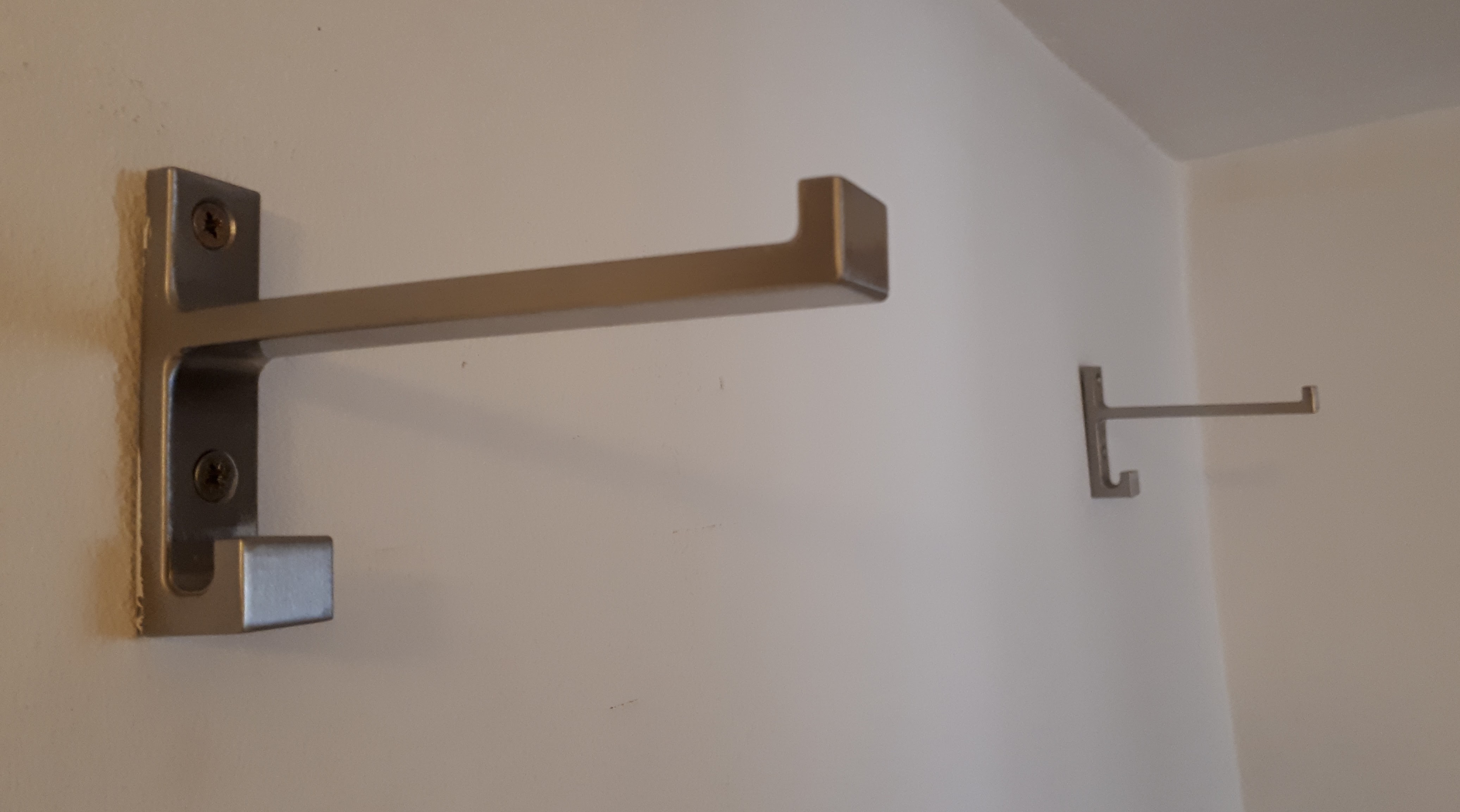
Hanging a shelf can be a straightforward DIY project, but it requires careful planning and execution to ensure the shelf is level, secure, and able to hold the desired weight. According to Wikipedia, a shelf support is a fastener used to hang a shelf from a wall, and there are several different types of shelf supports available, including L-shaped shelf supports, also known as shelf brackets, and plug-in shelf supports. By following these steps and using the right materials, you can hang a shelf that is both functional and visually appealing.
📋 Prerequisites & What You Need
Before you start, make sure you have all the necessary tools and materials, including a shelf, shelf support, drill, level, and screws. The type of shelf support you need will depend on the type of shelf you are hanging and the weight it will hold. For example, if you are hanging a heavy shelf, you may need to use multiple shelf supports or a more heavy-duty support.
🔧 Step 1: Choose the Right Shelf Support
Choose the right type of shelf support for your shelf. There are several different types of shelf supports available, including L-shaped shelf supports, also known as shelf brackets, and plug-in shelf supports. Consider the weight of the shelf and the type of wall you are hanging it on when selecting a shelf support.
⚙️ Step 2: Measure and Mark the Wall
Measure and mark the wall where you want to hang the shelf. Use a level to ensure the shelf will be straight and a pencil to mark the spot where you will drill the pilot holes. Make sure to measure carefully and double-check your marks to avoid mistakes.
🎯 Step 3: Drill Pilot Holes and Install Shelf Support
Drill pilot holes and install the shelf support. Use a drill to make pilot holes in the wall at the marks you made in the previous step. Then, insert the shelf support into the pilot holes and screw it into place. Make sure the shelf support is securely attached to the wall and can hold the weight of the shelf.
✅ Step 4: Hang the Shelf
Hang the shelf on the shelf support. Place the shelf on the shelf support and make any necessary adjustments to ensure it is level and secure. Use screws or other fasteners to attach the shelf to the shelf support.
🚀 Step 5: Add Finishing Touches
Add finishing touches to the shelf. Once the shelf is hung, you can add any finishing touches, such as decorative trim or paint. Make sure the shelf is secure and can hold the weight of the items you plan to place on it.
⚠️ Common Mistakes & How to Avoid Them
Common mistakes to avoid when hanging a shelf include not using the right type of shelf support, not measuring carefully, and not drilling pilot holes. To avoid these mistakes, make sure to choose the right shelf support for your shelf, measure carefully, and drill pilot holes before installing the shelf support.
💡 Pro Tips & Advanced Techniques
Pro tips for hanging a shelf include using a level to ensure the shelf is straight, drilling pilot holes to avoid damaging the wall, and using the right type of shelf support for the weight of the shelf.
Section 9
Drywall and concrete walls require different types of shelf supports. Make sure to choose the right type of shelf support for your wall type.
Key Facts
- Year
- 2020
- Origin
- United States
- Category
- guides
- Type
- concept
- Format
- how-to
Frequently Asked Questions
What type of shelf support do I need for a heavy shelf?
For a heavy shelf, you will need to use a heavy-duty shelf support, such as a shelf bracket or a plug-in shelf support with a high weight capacity.
How do I measure and mark the wall for a shelf?
To measure and mark the wall for a shelf, use a level and a pencil to mark the spot where you want to hang the shelf. Make sure to measure carefully and double-check your marks to avoid mistakes.