Iran-US Tensions Escalate: Strait of Hormuz Closure and Blockade
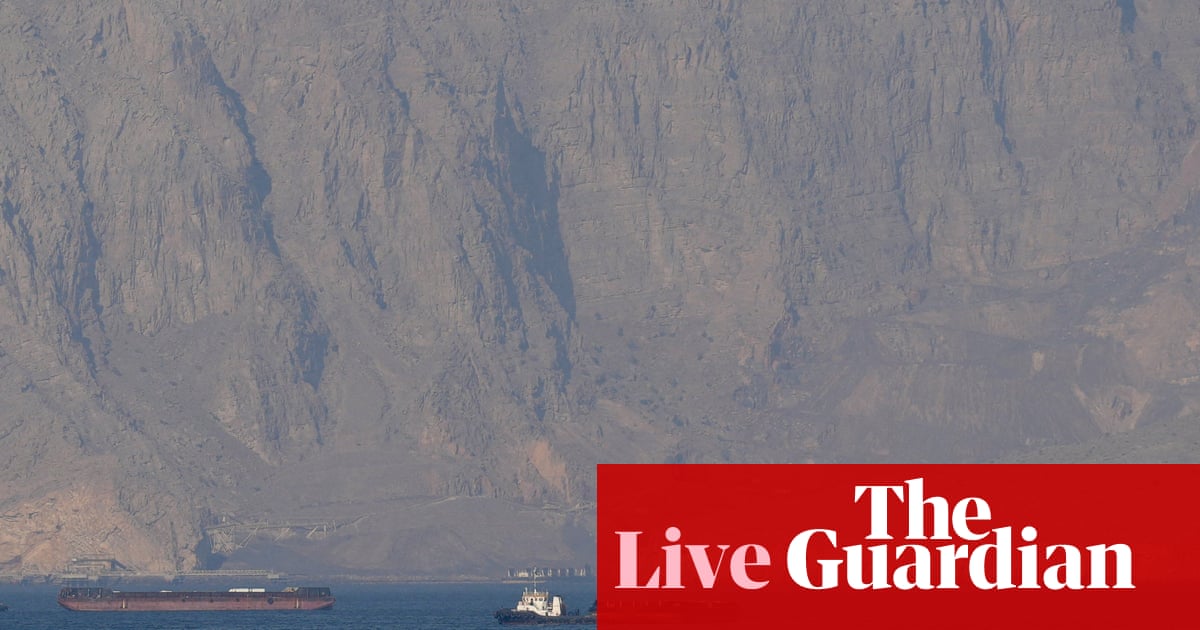
The **Middle East crisis** has intensified as **Iran** claims the **US** blockade of its ports violates a ceasefire agreement. In response, **Iran** has threate
Summary
The **Middle East crisis** has intensified as **Iran** claims the **US** blockade of its ports violates a ceasefire agreement. In response, **Iran** has threatened to close the **Strait of Hormuz**, a vital oil shipping route. **US President Donald Trump** has stated that the US is engaged in dialogue with Iran, but will not be blackmailed. The situation has sparked concerns of a potential **global oil shortage** and increased tensions between the two nations. The **US** has maintained its blockade, citing national security concerns, while **Iran** insists it is a violation of international law. The crisis has drawn attention from the international community, with many calling for a peaceful resolution. [[iran|Iran]] has been at the center of the crisis, with its **nuclear program** and **regional influence** being key points of contention. The **US** has imposed **sanctions** on Iran, which have had a significant impact on the country's economy. The situation is being closely monitored by **global leaders**, including those from the **European Union** and **China**.
Key Takeaways
- The US and Iran are engaged in a dispute over the blockade of Iran's ports and the threat to close the Strait of Hormuz
- The crisis has significant implications for the global economy and regional stability
- Diplomatic efforts are necessary to find a peaceful resolution to the crisis
- The US and Iran have valid concerns, and a compromise is necessary to address these concerns
- The international community has a role to play in facilitating dialogue and finding a solution
Balanced Perspective
The current situation is complex and multifaceted, with both the **US** and **Iran** having valid concerns. The **US** is concerned about **national security** and the potential for **Iran** to develop **nuclear weapons**. **Iran**, on the other hand, is concerned about the impact of **sanctions** on its economy and the **blockade** of its ports. A peaceful resolution will require a nuanced understanding of these concerns and a willingness to compromise. The international community has a role to play in facilitating dialogue and finding a solution that addresses the concerns of all parties. The **United Nations** and other international organizations could play a key role in mediating the crisis. [[united-nations|United Nations]] has a long history of resolving international conflicts, and its involvement could help to de-escalate the situation.
Optimistic View
Despite the current tensions, there is still a possibility for a peaceful resolution to the crisis. **Diplomatic efforts** by the international community, including the **European Union**, could help to ease tensions and find a mutually beneficial solution. The **US** and **Iran** have engaged in dialogue in the past, and there is a chance that they could do so again. A peaceful resolution would have significant benefits for the global economy and regional stability. The **US** has stated that it is open to negotiations, and **Iran** has also expressed a willingness to talk. The key will be finding a compromise that addresses the concerns of both sides, including **security** and **economic** issues. [[diplomacy|Diplomacy]] has been successful in resolving similar crises in the past, and there is no reason why it cannot be successful in this case.
Critical View
The current crisis has the potential to escalate into a full-blown conflict, with significant consequences for the global economy and regional stability. The **US** and **Iran** have a long history of tensions, and the current situation is particularly volatile. The **blockade** of **Iran**'s ports and the threat to close the **Strait of Hormuz** are significant escalations, and there is a risk that the situation could spiral out of control. The international community may not be able to prevent a conflict, and the consequences could be severe. The **global economy** is already facing significant challenges, and a conflict in the **Middle East** could have far-reaching consequences. The situation is being closely watched by **global leaders**, who are urging restraint and diplomacy. [[conflict|Conflict]] in the **Middle East** has been a recurring theme in recent years, and there is a risk that the current crisis could be the spark that sets off a wider conflict.
Source
Originally reported by The Guardian